Askim Escape Pod
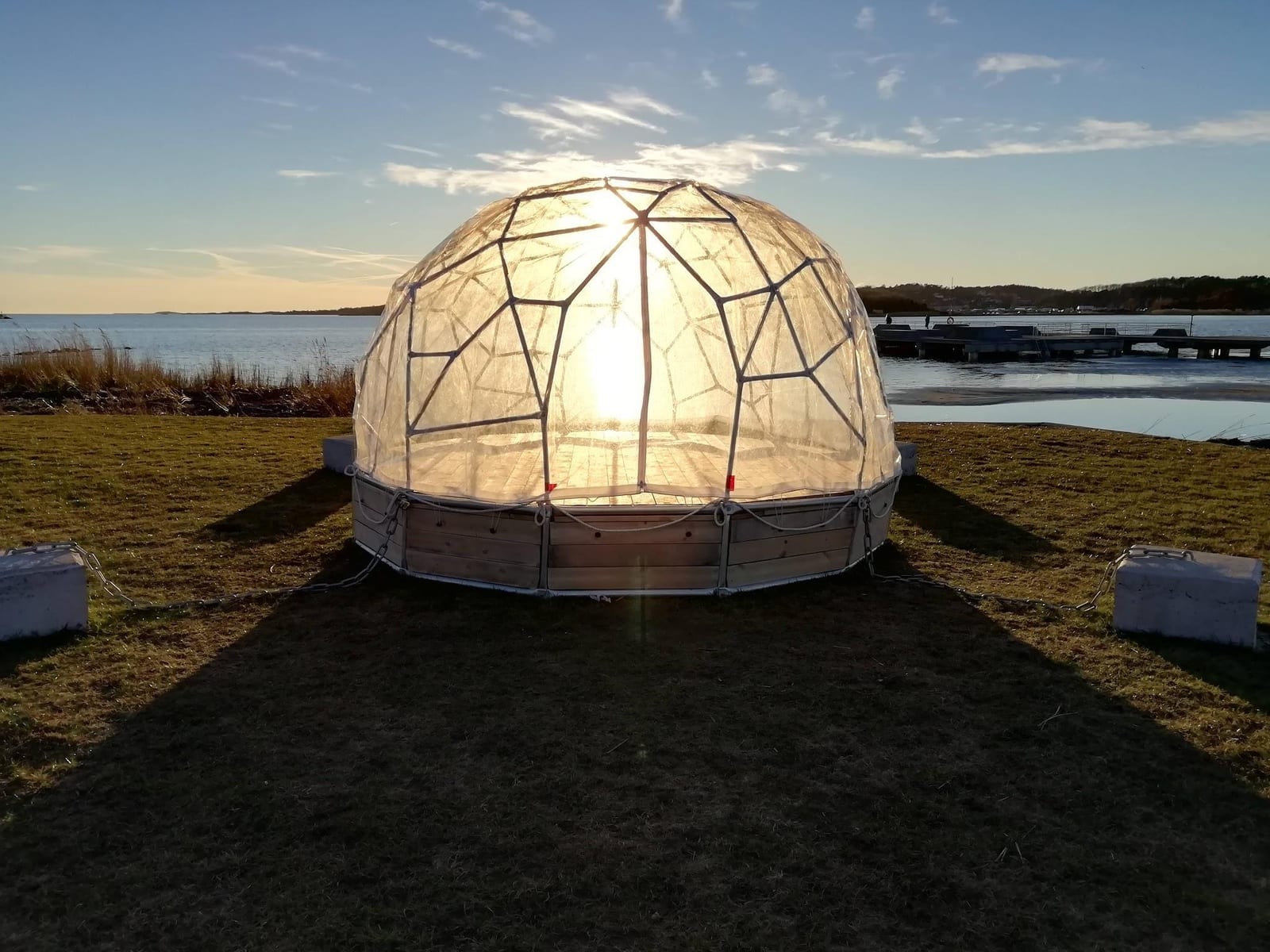
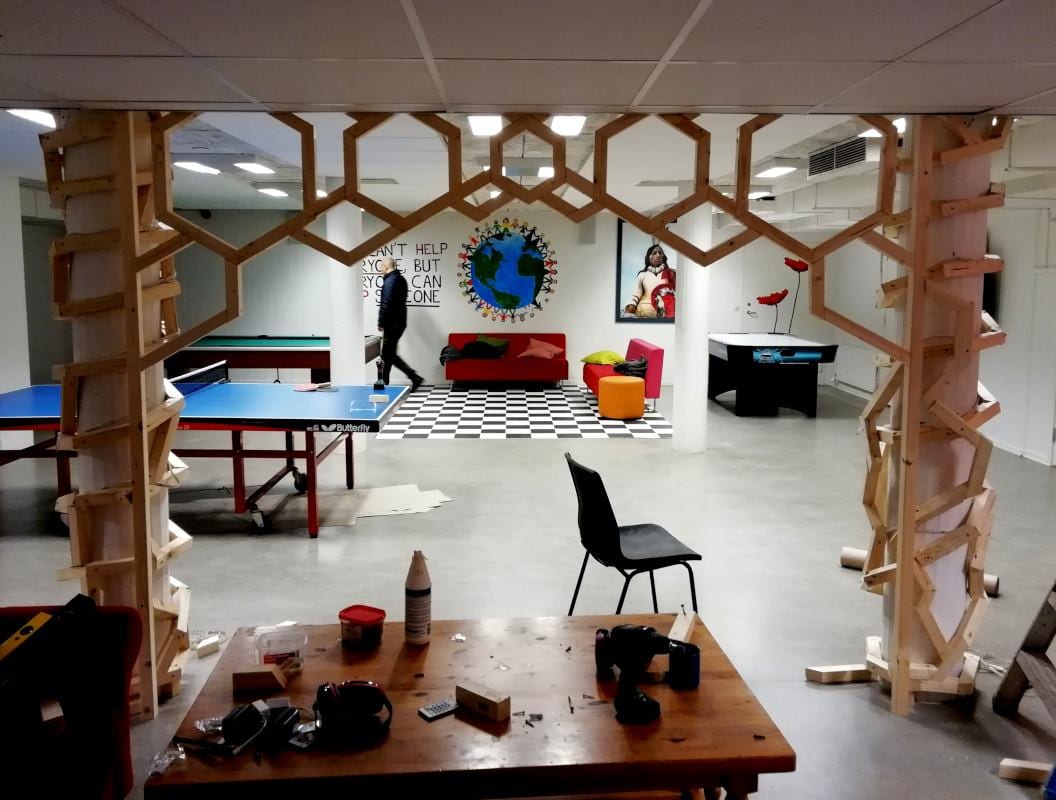
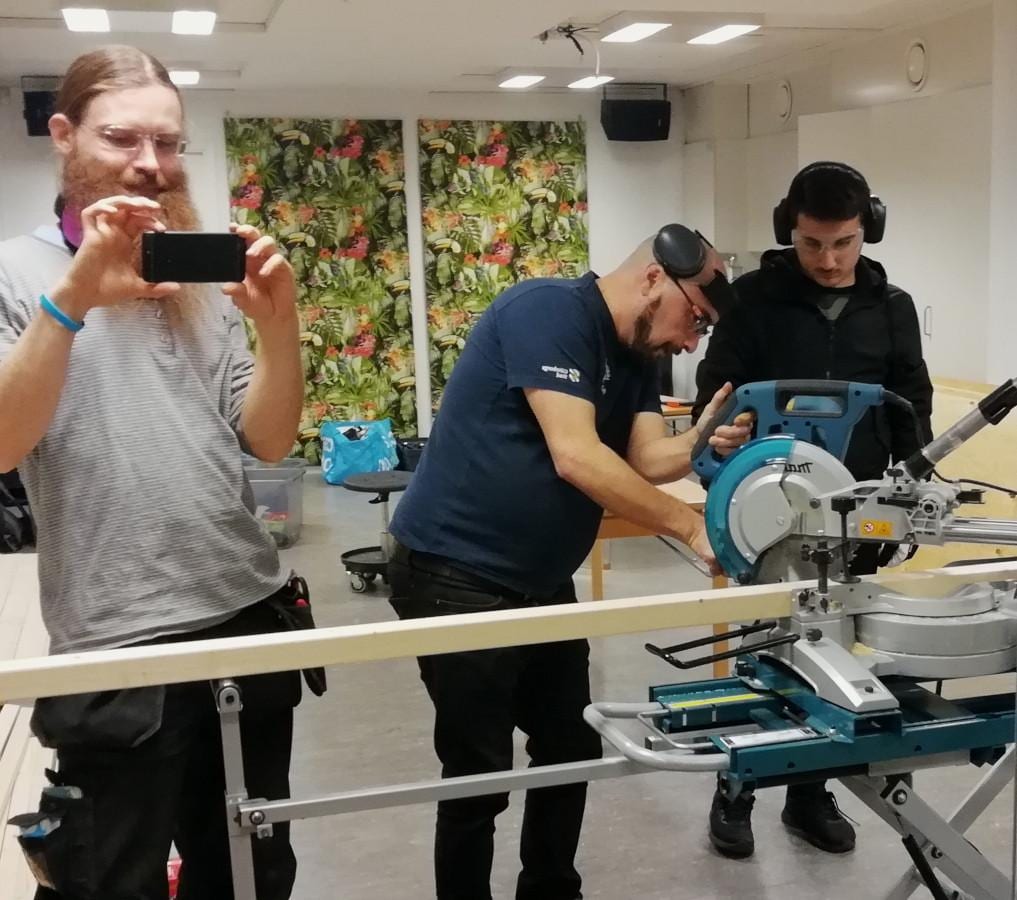
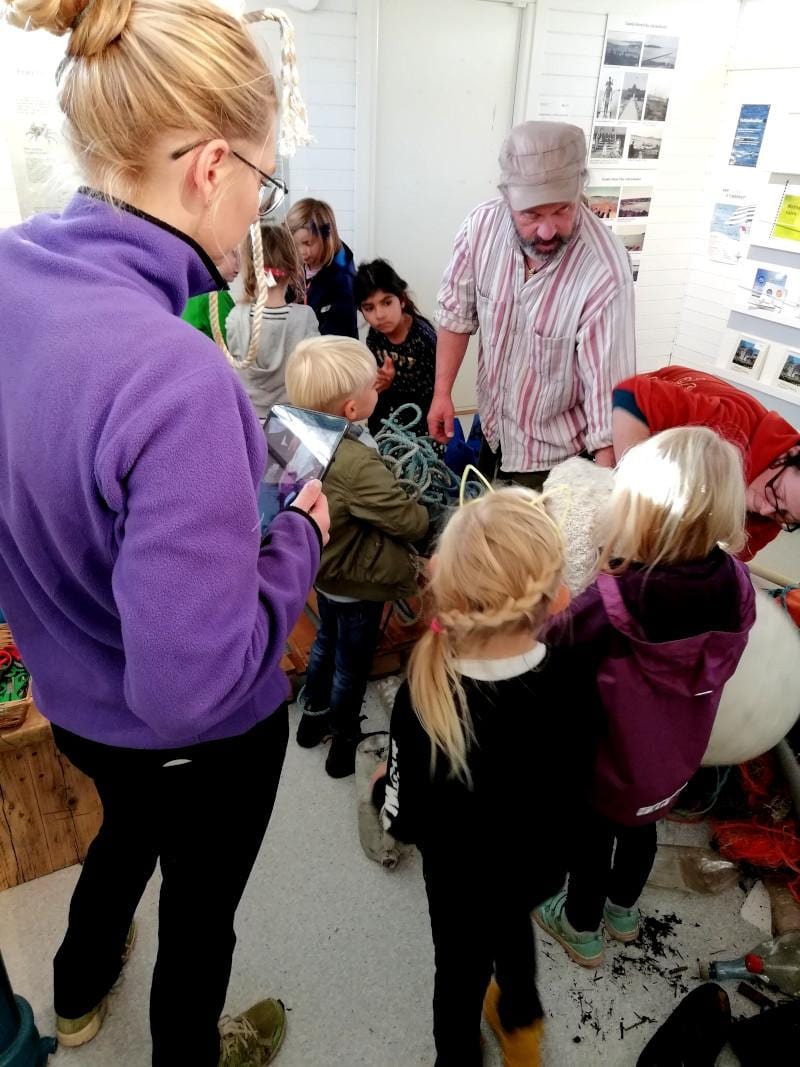
Askim Escape Pod ("Nödkapsel för Askim" in Swedish) is the name of an artwork made up of several parts. One part is a physical raft on the beach; the second part is an educational programme with invited artists and researchers working on climate issues and the sea. The target group has been children and young people in the socio-economically vulnerable Hjällbo area, in collaboration with Hjällbo Fritidsgård. The final part is an art exhibition in the educational centre by Askimsbadet: "Blåmusslan" and the exhibition hall "Långgrundet".
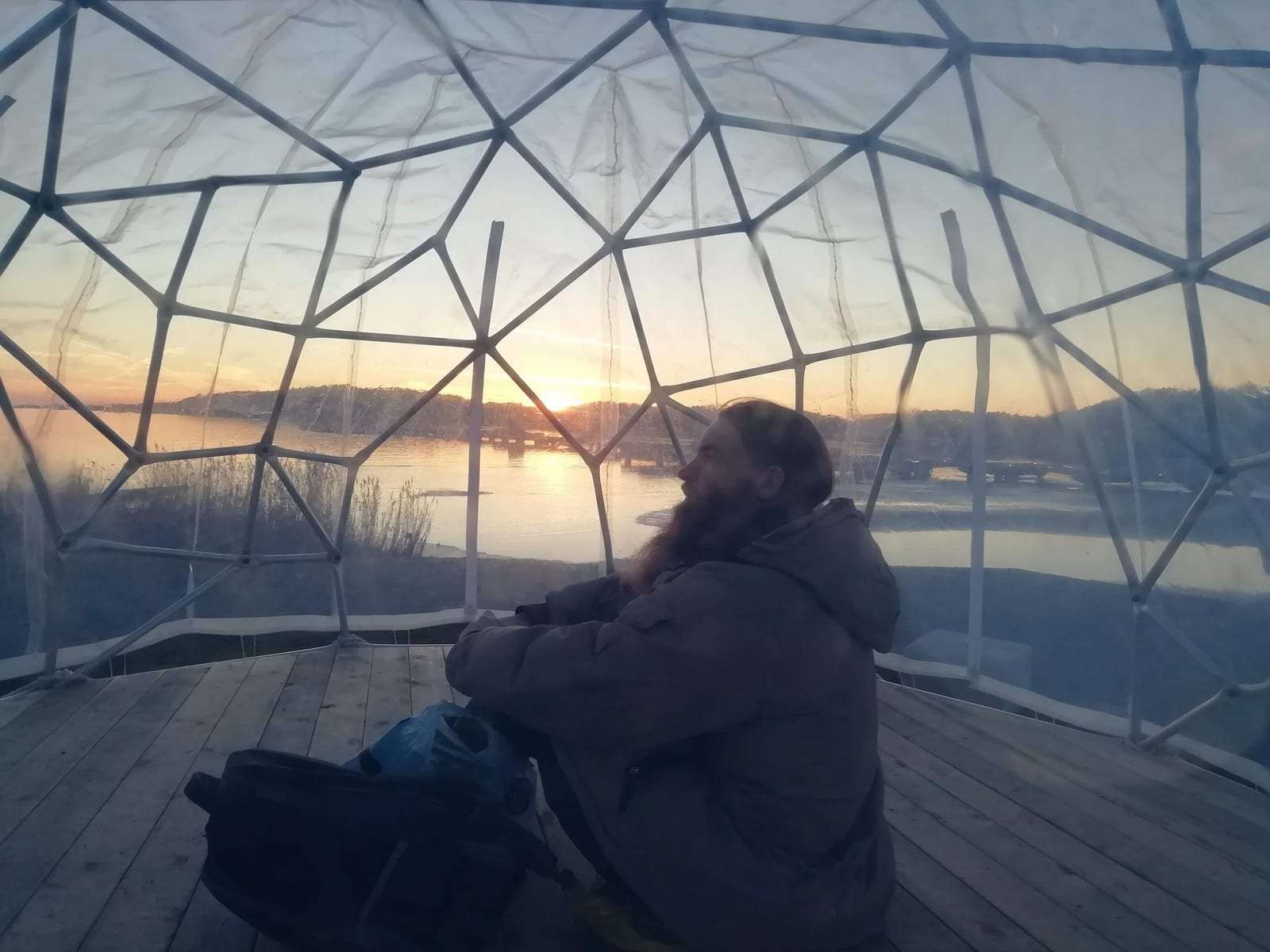
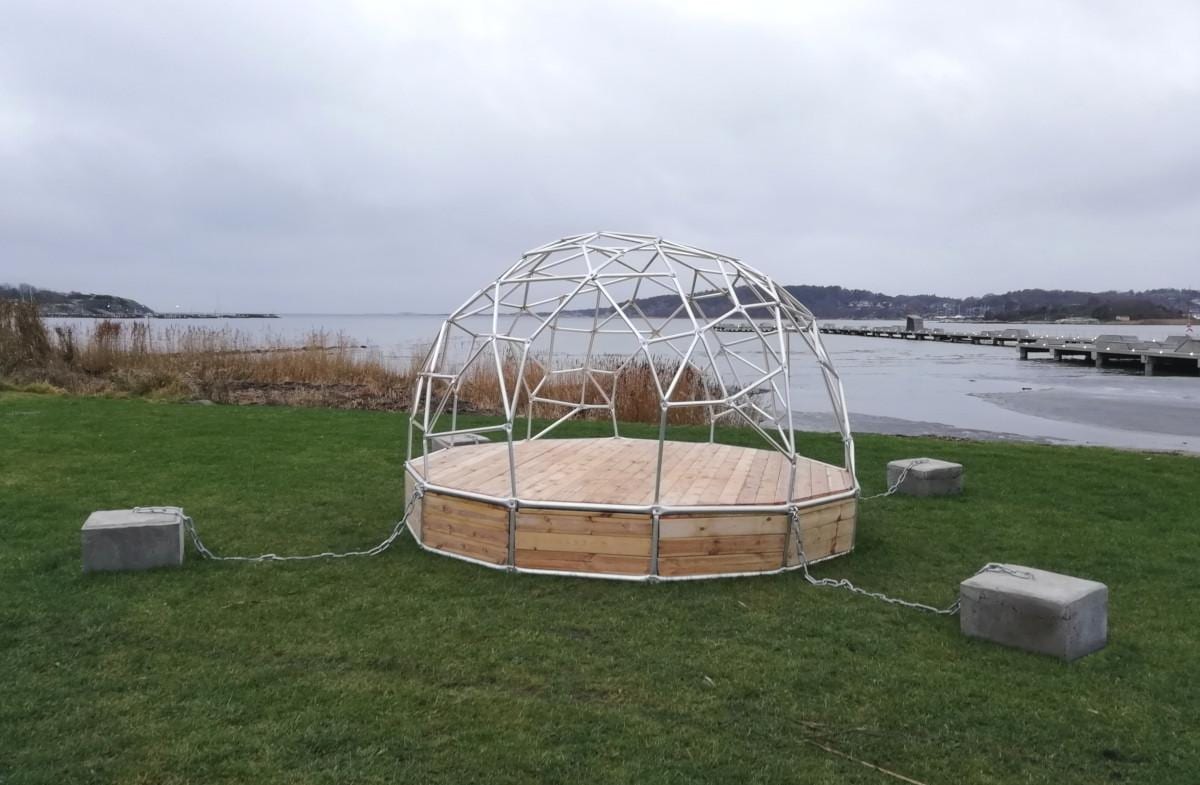
The raft stands on land with a small round building on it. If the climate changes and the ice melts, it floats up and offers dry ground underfoot. The raft is an interactive sculpture, meaning it is open for anyone to use in different ways: among other things, you can sit in it and watch sunsets or the stars, or take shelter from cold, rain and wind. The raft's twelve-sided base refers to the clock and our time on earth. Themes such as ocean life and ocean litter, sustainable energy and the climate question have been a starting point for the project and a thread running through the process. The platform and its dome can be seen as a biotope, a climate system or a model of the world.
The materials are all chosen with the theme in mind. Aluminium is lightweight, strong, non-toxic, rust-free and recyclable (but requires a lot of energy to produce). The wood is Organowood, a silicon-impregnated wood that is rot-resistant, fire-resistant and environmentally friendly. The buoyancy foam inside is LDPE, the most environmentally friendly foam plastic available — when burned it becomes only carbon dioxide and water. The transparent canopy is sewn from ETFE plastic, a fluorine-based material that is dirt-repellent (related to Teflon), fire-resistant, has high tensile strength and lets UV light through, which is a unique property: it means the plastic never ages, gives 30% higher growth when used for greenhouses, and makes it possible to get a tan beneath it. The large weights holding the raft in place weigh 200 kg each, which will counter the light raft during storms and minor floods. If the water rises higher than the lengths of the chains, the raft's buoyancy of 5 tonnes will exceed the weight of the counterweights in water (concrete weighs only half as much underwater). Thus the weights will be lifted up and hang beneath as stabilising ballast until the craft reaches shallower ground. The artwork can serve as a vehicle for both the body and the mind, giving rise to new ideas about what needs to be done to save nature and ourselves. Perhaps we need to step outside our own comfort zone to see the bigger picture?